
Plenary & Keynote Speakers
Prof. Clara Santato
Polytech Montréal Canada


....
Abstract: .....
Prof. Ayyoob Sharifi
Hiroshima University Japan
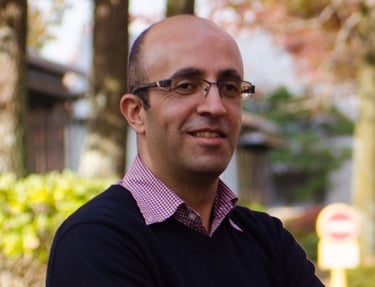
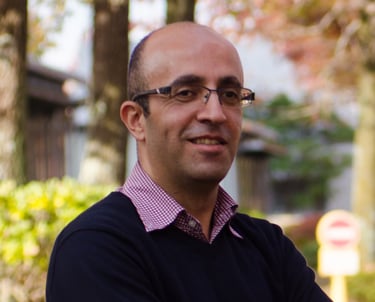
Smart Cities and Sustainable Development Goals: Harnessing Digital Twins for Urban Resilience
Abstract: Smart cities have evolved from technocratic concepts to pivotal instruments for achieving the United Nations Sustainable Development Goals (SDGs), particularly in fostering sustainable communities (SDG 11) and responsible consumption (SDG 12) through data-driven efficiency and inclusivity. This keynote provides a comprehensive overview of these synergies, highlighting how responsible digital transformation accelerates progress toward the 2030 Agenda while acknowledging trade-offs such as the digital divide. Narrowing the focus to climate resilience, the speech examines Digital Twin technology as a transformative tool for Urban Flood Risk Management, which bridges physical and virtual systems to enhance real-time monitoring, prediction accuracy, and decision-making during disaster preparedness and response. Drawing on global trends and elaborating on specific implementations in Japan, the presentation explores how Digital Twins are transitioning from conceptual blueprints to fully integrated operational models, despite lingering challenges regarding data interoperability and computational costs. The speech concludes by arguing that scalable, AI-driven DT architectures are essential for quantifying uncertainty and building robust, data-driven flood resilience in increasingly vulnerable urban environments.
Prof. Tan Yigitcanlar
Queensland University Australia
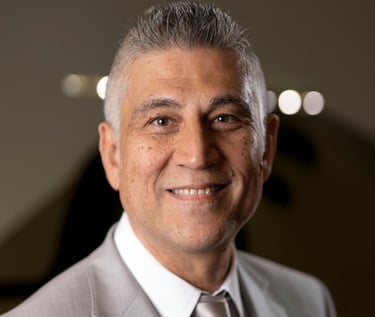
Rethinking Sustainable and Smart Cities in a Quantum-Driven Urban Future
Abstract: This keynote offers a refreshed and critical perspective on sustainable and smart city agendas in the emerging era of quantum computing. It examines how quantum technologies could transform urban governance, infrastructure planning, and service delivery by enabling unprecedented computational capacity for complex urban systems, while questioning technology-led approaches that prioritise optimisation over social and environmental outcomes. Drawing on international research and real-world city experiences, the talk explores the potential of quantum computing to support advanced decision-making, climate modelling, and urban sustainability, alongside its emerging risks, including technological concentration, governance gaps, and new forms of inequality. The keynote argues that the success of quantum-enabled cities will depend less on technological sophistication and more on robust governance arrangements, ethical foresight, and inclusive civic engagement. It concludes by outlining principles for responsible, equitable, and adaptive integration of quantum technologies in urban contexts.
Prof. Dirk Helbing
ETH Switzerland
From Agent-Based Simulations to Artificial Societies: Past and Future
Abstract: My talk will be focused on agent-based models I have been working on – from pedestrian crowds to traffic flows, from logistical systems to opinion formation, and more. When presenting these examples, I will underline the importance of complexity science to understand the collective behavior emerging in many multi-agent systems. I will show how slight changes in the interactions of system components can produce desirable outcomes „like magic“, based on self-organization. I will also show how the network structure can dramatically change the resulting collective behavior, even when the interactions of the system components stay the same. Last but not least I will comment on using Machine Learning approaches to model complex dynamical system and applying generative AI. Despite the tremendous potentials, these do still have a number of important issues that should always be kept in mind.
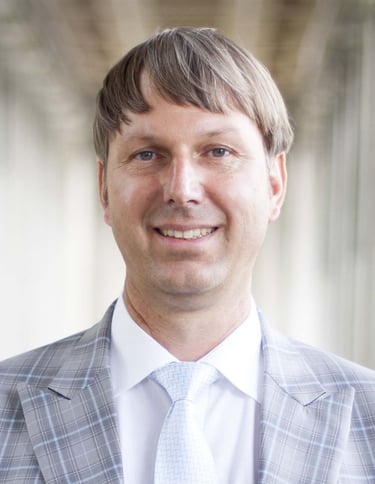
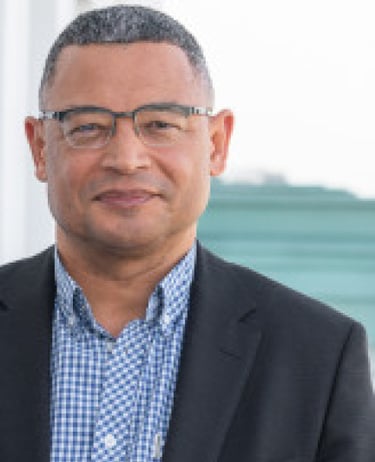
Prof. Edgar Pieterse
Univ. of Cape Town South Africa
......
Abstract:
Prof. Malik Maaza
UNESCO Unisa South Africa
.......
Abstract: ........
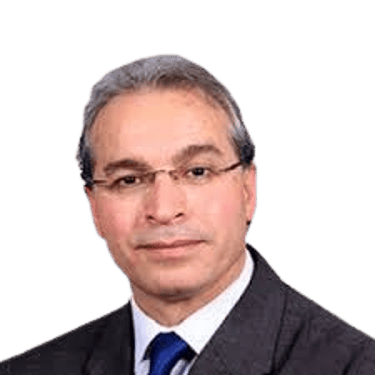
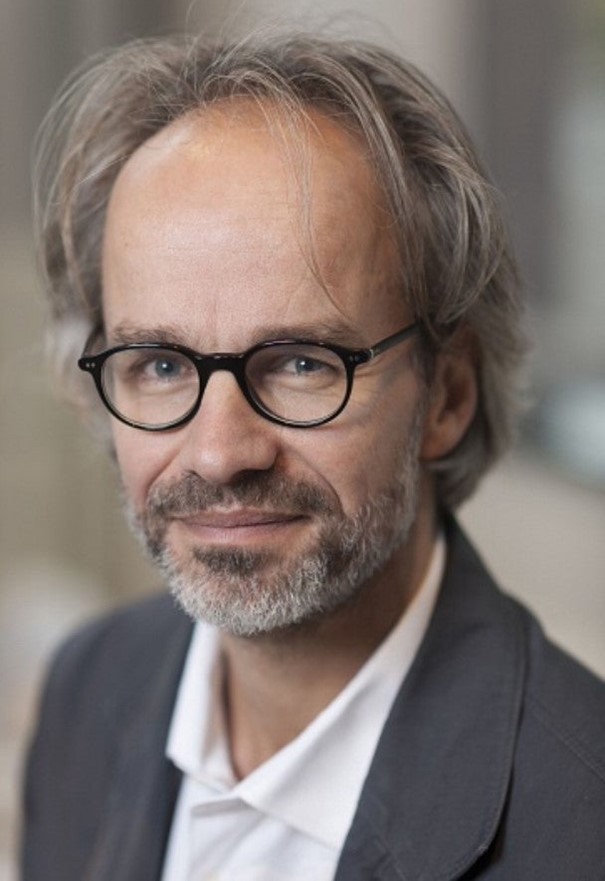
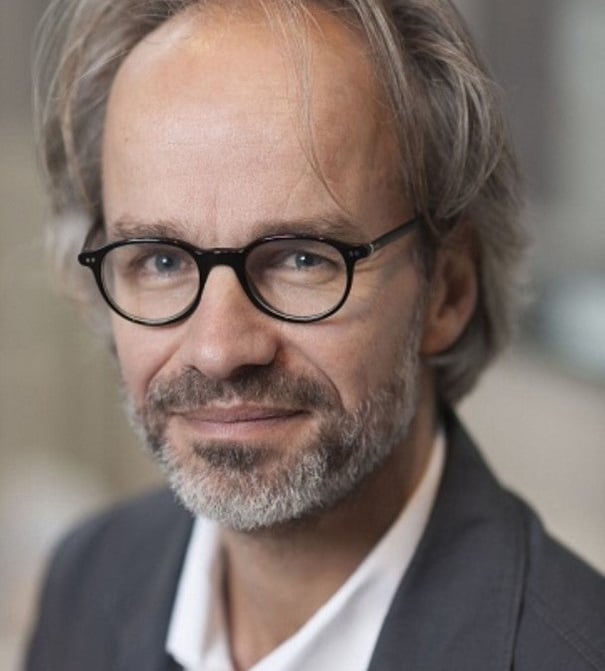
Prof. Arjan Van Timmeren
TU Delft Nederland
......
Abstract:
ICSSC2026 Contact
Registration
E-mail : contact@icssc.eu
© 2025. All rights reserved.
ICSSC2026 is co-organized by
The Smart Cities Institute, universities from Europe and Africa.